


Dental Instruments: Complete Guide to Types, Uses & Choosing the Best Instruments (2026)

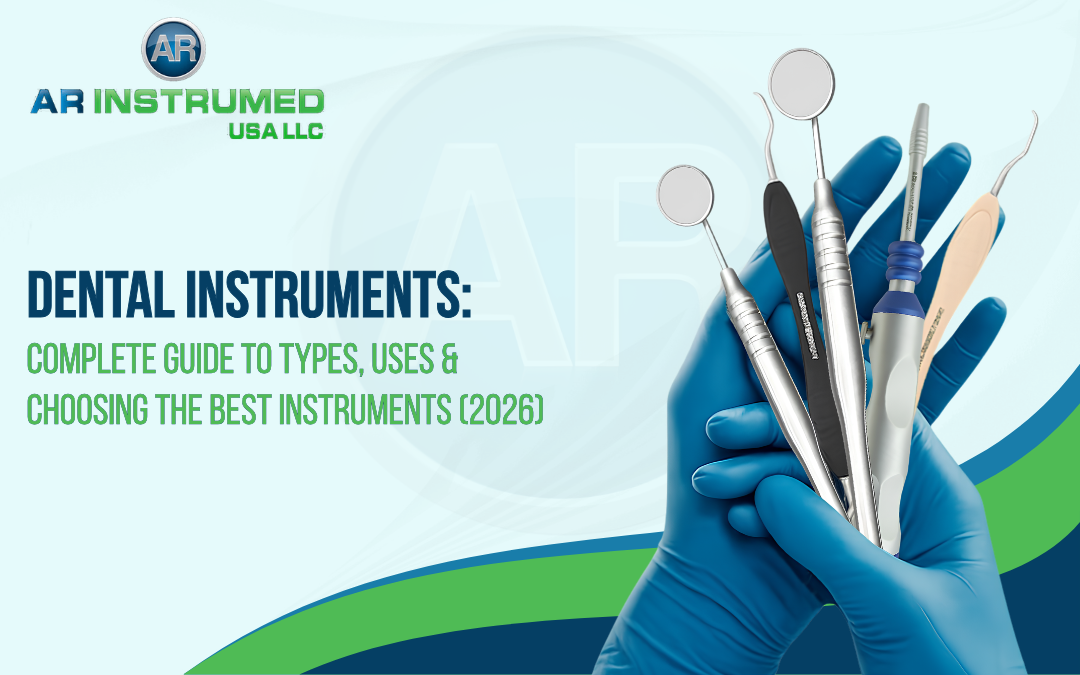
Every successful dental procedure, from a routine check-up to complex oral surgery, depends on one thing patients rarely notice: the quality of the dental instruments in the clinician’s hands. Whether you are a practicing dentist, a dental student, or a clinic owner sourcing new equipment, understanding the different types of dental instruments and their uses is essential for accurate diagnosis, safe treatment, and long-term patient trust. This guide walks through the full range of dental instruments used in modern dentistry, explains how each category works, and shares practical tips for choosing dental instruments that hold up under daily clinical use.
Dental instruments are the specialized hand tools and devices dentists use to examine, treat, and restore teeth and the surrounding oral tissue. They range from simple dental hand instruments like mirrors and probes to more advanced dental surgical instruments used in extractions, implant placement, and periodontal therapy. Because these tools come into direct contact with soft tissue, blood, and saliva, they are manufactured to strict medical-grade standards, most commonly from surgical stainless steel or titanium, and must be sterilized between every single use.
Types of Dental Instruments and Their Uses
Dental instruments are generally grouped by the stage of treatment they support. Below is a breakdown of the most common dental instrument categories found in any well-equipped clinic.
1. Dental Examination Instruments
These are the basic dental instruments every dentist reaches for first. A dental mirror helps visualize hard-to-reach surfaces, a dental explorer detects cavities and tartar by feel, and a periodontal probe measures gum pocket depth to assess gum health. Together, these three tools form the standard diagnostic kit used during almost every appointment.
2. Restorative Dental Instruments
Restorative instruments are used for fillings, crowns, and general tooth repair. This category includes amalgam carriers, condensers, burnishers, and carving instruments that shape composite or amalgam material into a natural-looking, functional tooth surface.
3. Dental Surgical and Extraction Instruments
Oral surgery calls for a more robust instrument set. Dental forceps grip and remove teeth, dental elevators loosen teeth from the socket before extraction, and surgical scalpels and retractors give clear access to the treatment area. These dental instruments used for tooth extraction are built for strength and precise control.
4. Periodontal Instruments
Periodontal dental instruments target gum disease and plaque control. Dental scalers remove hardened tartar above the gumline, while dental curettes clean below the gumline and smooth root surfaces, an essential step in treating gingivitis and periodontitis.
5. Endodontic Instruments
Endodontic dental instruments are used during root canal treatment. Fine files and reamers clean and shape the root canal system, removing infected pulp tissue so the tooth can be sealed and preserved rather than extracted.
6. Orthodontic and Prosthodontic Instruments
Orthodontic dental instruments include pliers and wire cutters used to adjust braces and aligners. Prosthodontic dental instruments assist in fitting crowns, bridges, and dentures, ensuring a precise, comfortable fit for the patient.
7. Dental Hygiene and Handpiece Instruments
Dental hygiene instruments, including polishers and ultrasonic scalers, keep teeth clean and stain-free during routine visits. Dental handpieces, the motorized drills used for cutting, polishing, and shaping, remain one of the most frequently used pieces of dental equipment in any clinic.
Materials: Stainless Steel vs. Titanium Dental Instruments
Most professional dental instruments are made from stainless steel because the material resists corrosion, withstands repeated sterilization cycles, and holds a sharp edge over time. Titanium dental instruments are lighter and highly resistant to corrosion, making them popular for microsurgical and implant procedures where precision and reduced hand fatigue matter most. Reusable dental instruments made from either material, when properly maintained, can last for years of everyday clinical use.
How to Choose the Best Dental Instruments
Selecting the right dental instrument set is not just about price. Consider the following before you buy:
- Material quality: Look for high quality dental instruments made from certified surgical-grade stainless steel or titanium.
- Ergonomics: A well-balanced handle reduces hand fatigue during long procedures.
- Purpose-built design: Choose instruments designed specifically for the procedure, whether diagnostic, restorative, or surgical.
- Supplier reliability: Work with a trusted dental instrument manufacturer or dental instrument supplier in the USA that offers consistent quality and after-sales support.
- Sterilization compatibility: Confirm the instruments can withstand autoclave sterilization without degrading.
For clinics and practitioners across the USA searching for professional dental instruments, working directly with an experienced manufacturer rather than a generic reseller often means better quality control and more competitive pricing on bulk or wholesale orders.
Sterilization and Maintenance of Dental Instruments
Infection control in dentistry starts with proper instrument care. After each use, dental instruments should be pre-cleaned to remove visible debris, then sterilized in an autoclave following manufacturer guidelines. Routine inspection for corrosion, dull edges, or loose joints helps extend the life of the instrument and keeps every dental clinic instrument set safe for patient use. Proper drying and storage in sealed sterilization pouches also prevents recontamination before the next appointment.
If you are looking to buy dental instruments online in the USA, AR Instruments offers a wide range of premium dental instruments designed for durability, precision, and everyday clinical performance. As a dedicated dental instrument manufacturer and supplier, the team focuses on stainless steel and titanium dental instruments built to meet the demands of modern dental clinics, from basic dental instruments for general practice to specialized dental surgical instruments for oral surgery. You can browse the full catalog of dental equipment and instrument sets at arinstrumed.com and find reusable, professional-grade instruments made for the USA dental market.
Conclusion
Choosing the right dental instruments directly affects the quality, safety, and efficiency of every procedure you perform. From basic examination tools to advanced surgical instruments, understanding each category helps dentists and clinic owners build a reliable, well-rounded instrument set. Whether you are updating your current dental instrument list or starting a new clinic from scratch, prioritizing material quality, ergonomics, and a trusted supplier will pay off for years to come.
Frequently Asked Questions
What are dental instruments?
Dental instruments are the specialized tools dentists use to examine, clean, treat, and restore teeth and gums, ranging from basic dental hand instruments like mirrors and probes to advanced dental surgical instruments used in extractions and implant procedures.
What are the different types of dental instruments?
The main types include examination instruments, restorative instruments, surgical and extraction instruments, periodontal instruments, endodontic instruments, orthodontic instruments, and dental hygiene instruments, each designed for a specific stage of treatment.
Which dental instruments are used for tooth extraction?
Tooth extraction typically involves dental forceps, dental elevators, and surgical scalpels, which loosen and remove the tooth safely while giving the dentist clear access to the extraction site.
How do you sterilize dental instruments?
Dental instruments are pre-cleaned to remove debris, then sterilized in an autoclave according to manufacturer instructions, and stored in sealed sterilization pouches to prevent contamination before the next use.
How do I choose the best dental instruments for my clinic?
Look for high quality dental instruments made from certified stainless steel or titanium, choose ergonomic designs, and buy from a reliable dental instrument manufacturer or supplier in the USA that offers consistent quality and support.