


Silicone Dental Instruments: Benefits, Types, Uses & How to Choose the Best Instruments (2026 Guide)

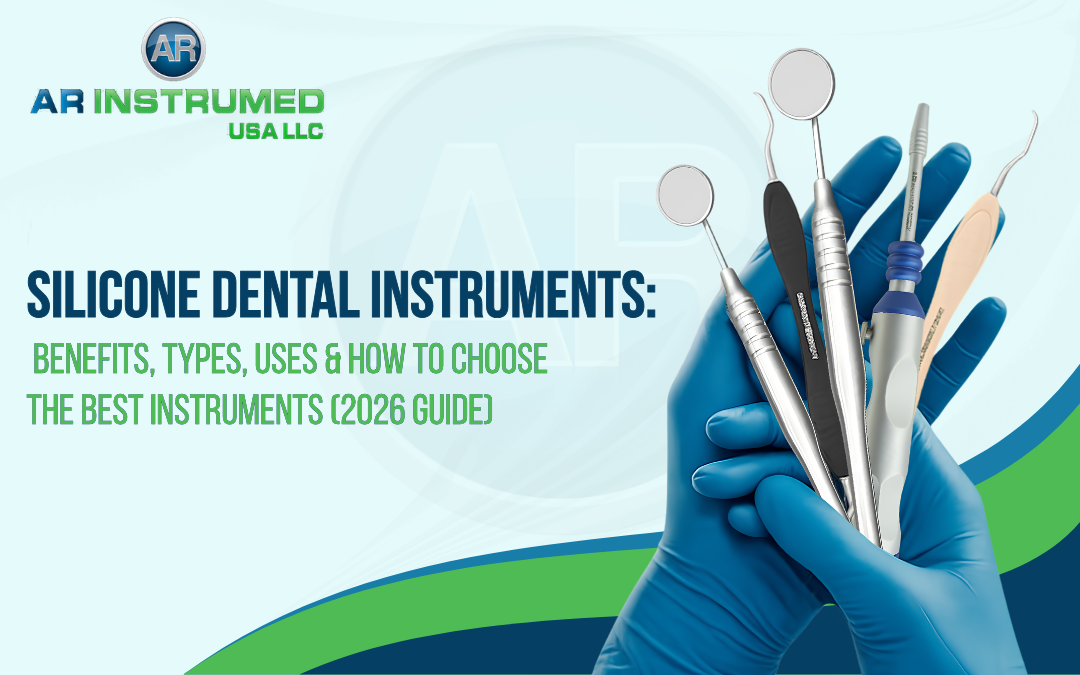
Walk into almost any modern dental operatory today and you’ll notice something small but telling: the instruments look different than they did a decade ago. Sleek, colored, non-slip handles have replaced the cold, uniform steel grips that dentists have used for generations.
That shift has a name silicone dental instruments and it’s one of the fastest-growing trends in clinical dentistry across the USA.
This guide breaks down exactly what silicone dental instruments are, why dentists and clinics are switching to them, how they compare to traditional stainless steel handles, and how to choose the right ones for your practice or business whether you’re buying a single set or sourcing in bulk as a distributor.
Why Silicone Dental Instruments Are Becoming Popular
Dentistry is a hands-on profession. Every extraction, scaling session, or restorative procedure depends on precise hand control, often held for hours a day, five or six days a week.
Over time, that repetitive grip work adds up. Hand fatigue, wrist strain, and reduced tactile feedback are common complaints among dentists, hygienists, and oral surgeons especially those in high-volume clinics.
Silicone-handled instruments were developed to solve exactly this problem. A few forces are driving their rapid adoption:
- Ergonomics has become a clinical priority. Dental associations increasingly emphasize hand and wrist health as part of long-term career sustainability.
- Infection control standards have tightened. Clinics need instruments that are easy to sterilize without degrading over repeated autoclave cycles.
- Patients expect precision. Better grip translates to steadier hands, which supports more accurate procedures.
- Practices want durability without added cost. Reusable, autoclavable designs reduce long-term instrument spending compared to constant replacement.
In short, silicone dental instruments sit at the intersection of comfort, control, and compliance three things every modern dental practice cares about.
What Are Silicone Dental Instruments?
Silicone dental instruments are precision dental hand instruments such as scalers, probes, forceps, and elevators built with a medical-grade silicone sleeve or grip molded around a high-quality stainless steel core.
The working tip (the part that contacts tooth structure or tissue) is still made from surgical-grade stainless steel, exactly as with traditional instruments. What changes is the handle: instead of smooth, uniform metal, the grip section is coated or wrapped in soft, textured, autoclavable silicone.
This combination gives clinicians the best of both worlds:
- The strength and precision of stainless steel where it matters most the tip.
- The comfort and control of an ergonomic, non-slip handle where the hand makes contact.
Because the silicone used is medical-grade and heat-resistant, these instruments are designed to withstand standard sterilization protocols, including repeated autoclaving, without breaking down.
Benefits of Silicone Dental Instruments
1. Non-Slip, Secure Grip
Silicone handles are textured and slightly tacky, which means the instrument stays firmly in hand even when fingers are wet, gloved, or exposed to saliva and irrigation fluid during procedures.
2. Reduced Hand Fatigue
A softer, cushioned grip distributes pressure more evenly across the hand. For dentists performing multiple procedures back-to-back, this can meaningfully reduce strain over the course of a workday.
3. Improved Precision and Clinical Control
Better grip stability translates directly into steadier instrument handling — a major advantage during delicate procedures like scaling, root planing, or minor surgical work.
4. Ergonomic Comfort
The rounded, cushioned profile of a silicone handle is easier on the joints of the fingers and wrist compared to thin, rigid metal handles, particularly during long appointments.
5. Corrosion Resistance and Durability
Combined with high-quality stainless steel tips, silicone-handled instruments resist corrosion and maintain performance across repeated use and sterilization cycles.
6. Autoclave Safe
Medical-grade silicone is designed to endure standard autoclave temperatures and pressures without cracking, peeling, or degrading supporting strict infection control protocols.
7. Easy to Identify by Color
Many silicone dental instrument lines come in multiple handle colors, making it easier for clinical teams to visually sort instrument types or trays at a glance.
8. Professional, Modern Feel
For patient-facing practices, instruments that look and feel modern can subtly reinforce a sense of quality and care.
Types of Silicone Dental Instruments
Silicone-handled designs are now available across nearly every category of dental hand instrument, including:
- Diagnostic Instruments — mirrors, explorers, periodontal probes
- Scaling and Periodontal Instruments — scalers, curettes
- Restorative Instruments — condensers, carvers, spatulas
- Orthodontic Instruments — pliers, banding instruments, ligature instruments
- Surgical Instruments — elevators, forceps, needle holders
- Endodontic Instruments — pluggers, spreaders
- Prosthodontic Instruments — wax carvers, articulating instruments
Most manufacturers offer silicone-handle versions of their standard stainless steel instrument catalog, so clinics can transition gradually or fully, depending on preference and budget.
Common Dental Procedures Where Silicone Instruments Are Used
Silicone-handled instruments are used across nearly every discipline of dentistry, including:
- Routine dental examinations and diagnostics
- Scaling, root planing, and periodontal maintenance
- Restorative and cosmetic dentistry
- Minor oral surgery and extractions
- Orthodontic adjustments and bracket placement
- Endodontic (root canal) procedures
- Prosthodontic and denture work
- Dental hygiene appointments
Because grip fatigue is most noticeable during long or repetitive procedures like scaling multiple patients in a day periodontal and hygiene instruments are often among the first a clinic upgrades to silicone handles.
Silicone vs Traditional Stainless Steel Handle Instruments
Both instrument types share the same stainless steel tips, so clinical performance at the working end is comparable. The real differences lie in the handle.
Silicone Handle Instruments vs Traditional Stainless Steel Handle Instruments
| Feature | Silicone Handle Instruments | Traditional Stainless Steel Handle Instruments |
|---|---|---|
| Grip Comfort | Soft, cushioned, non-slip | Firm, smooth metal |
| Hand Fatigue | Lower, especially during long procedures | Higher over extended use |
| Grip Security (Wet Conditions) | Excellent | Moderate, can feel slippery |
| Weight | Slightly lighter feel due to ergonomic design | Heavier, uniform metal weight |
| Sterilization | Autoclavable (medical-grade silicone) | Fully autoclavable |
| Color Coding | Widely available | Limited or none |
| Cost | Slightly higher upfront | Generally lower upfront |
| Longevity | High with proper care | Very high, traditional industry standard |
| Best For | High-volume use and ergonomic comfort | Budget-conscious practices or traditional preference |
Neither option is universally “better” the right choice depends on procedure volume, clinician preference, and budget. Many practices now use a hybrid approach: silicone handles for frequently used instruments, and stainless steel for lower-use or specialty tools.
How to Choose the Best Silicone Dental Instruments
Not all silicone dental instruments are made equal. Here’s what to evaluate before buying.
1. Material Quality
Look for instruments made with high-grade surgical stainless steel tips (commonly German or Japanese-grade steel) combined with genuine medical-grade silicone not generic rubber or low-grade coatings that wear out quickly.
2. Autoclave Compatibility
Confirm the silicone is explicitly rated as autoclave-safe for repeated sterilization cycles at standard clinical temperatures.
3. Grip Design
Ergonomic handle shape matters as much as the material. Look for textured, contoured grips designed around natural hand positioning, not just a silicone layer added for looks.
4. Precision Engineering
Tips should maintain sharpness, alignment, and rigidity precision engineering at the working end is non-negotiable, regardless of handle material.
5. Supplier Reputation and Quality Standards
Buy from manufacturers with documented quality control processes, especially if you’re sourcing in bulk or for OEM/private label purposes.
6. Warranty and Support
A reliable supplier should stand behind their instruments with clear warranty terms and responsive customer support.
7. Bulk and Custom Options
If you’re a distributor, clinic group, or wholesale buyer, check whether the manufacturer offers bulk pricing, OEM manufacturing, or private labeling.
Buying Checklist: Silicone Dental Instruments
- Stainless steel tip grade confirmed (surgical/medical grade)
- Silicone is medical-grade and autoclave-safe
- Handle design tested for ergonomic comfort
- Corrosion-resistant construction
- Manufacturer provides quality certifications
- Product line covers your required instrument categories
- Bulk/wholesale pricing available if needed
- OEM or private label options available if needed
- Clear sterilization and care instructions provided
- Supplier offers reliable customer support and warranty
Sterilization and Maintenance Tips
Proper care extends the life of any dental instrument, silicone-handled or not. Follow these general best practices:
- Rinse promptly after use to prevent debris from drying onto the surface.
- Use enzymatic cleaners before sterilization to break down organic material.
- Follow manufacturer autoclave settings — most medical-grade silicone tolerates standard cycles, but always confirm temperature and pressure limits.
- Avoid harsh abrasives that can degrade the silicone surface over time.
- Inspect handles regularly for cracking, peeling, or looseness at the metal-silicone junction.
- Store instruments properly in sterilization pouches or trays to avoid unnecessary wear.
- Replace instruments showing wear at the tip or handle junction, since compromised grip can affect precision.
Are Silicone Dental Instruments Autoclavable?
Yes. Medical-grade silicone used in reputable dental instruments is specifically designed to be autoclave safe, withstanding standard sterilization temperatures and repeated cycles without degrading, provided manufacturer guidelines are followed.
Pro Tips for Getting the Most Out of Silicone Dental Instruments
- Rotate instrument sets rather than relying on a single set daily — this extends the lifespan of both tips and handles.
- Train staff to inspect the metal-silicone bond point during routine sterilization checks, since this is typically the first area to show wear.
- Color-code instrument sets by procedure type to speed up tray setup and reduce cross-contamination risk.
- When transitioning a clinic from stainless steel to silicone-handled instruments, start with your highest-use tools (scalers, probes) for the fastest ergonomic benefit.
- For bulk buyers, request sample units before placing a full wholesale order to test grip feel and tip precision firsthand.
Expert Advice: What Clinicians Should Know
Experienced clinicians generally agree on a few points when evaluating silicone-handled instruments:
- Grip comfort should never come at the cost of tip precision. The handle is an ergonomic upgrade; the working tip still needs to meet the same clinical performance standards as any professional-grade instrument.
- Not all “silicone” instruments are equal. Lower-cost, non-medical-grade silicone can degrade faster under repeated autoclaving, leading to premature wear.
- Ergonomics is a long-term investment in clinician health. Reduced hand and wrist strain over years of practice can meaningfully impact career longevity, particularly for hygienists and clinicians with high patient volumes.
- Ask suppliers about steel origin and silicone grade directly. Reputable manufacturers should be transparent about material sourcing and certifications.
Common Mistakes Buyers Make
Avoid these common pitfalls when purchasing silicone dental instruments:
- Choosing based on price alone. Extremely low-cost instruments often use lower-grade steel or non-medical silicone that wears out quickly.
- Skipping supplier verification. Always confirm quality certifications and manufacturing standards, especially for bulk or OEM orders.
- Ignoring handle-to-tip bonding quality. A poorly bonded silicone grip can loosen or peel after repeated sterilization cycles.
- Not testing before bulk ordering. Distributors and clinics should request samples before committing to large wholesale quantities.
- Overlooking sterilization compatibility. Not all silicone is rated for autoclave use — always confirm before purchase.
- Assuming all instrument categories are available in silicone. Availability can vary by manufacturer; confirm your required instrument types are covered.
- Neglecting long-term supplier relationships. For clinics and distributors, a reliable, responsive supplier matters as much as the product itself for reordering and support.
Where to Source Reliable Silicone Dental Instruments
For dental practices, clinics, hospitals, distributors, and wholesale buyers, sourcing from a manufacturer with proven quality control is essential especially when ordering in volume or building a private label line.
AR Instrumed manufactures premium-quality dental instruments, including silicone-handle and stainless steel options, supplying dentists, clinics, hospitals, distributors, and wholesalers across the USA and internationally. The company uses premium stainless steel and medical-grade materials, maintains strict quality standards, and offers precision-engineered surgical instruments, diagnostic instruments, and orthodontic instruments for practices of all sizes.
For distributors and OEM buyers, AR Instrumed also provides OEM and private label manufacturing along with bulk ordering support, making it a practical option whether you’re outfitting a single clinic or scaling a wholesale supply business.
Final Thoughts
Silicone dental instruments represent a practical evolution in dental hand tools — combining the clinical reliability of stainless steel with an ergonomic handle designed for comfort, control, and long-term hand health. For dentists, hygienists, and clinics managing high procedure volumes, that upgrade can make a real difference over time.
Whether you’re a solo practitioner upgrading a single tray or a distributor sourcing instruments at scale, choosing a supplier with verified quality standards is the most important step in the buying process.
Looking for premium silicone dental instruments for your dental practice, clinic, or distribution business? AR Instrumed offers high-quality silicone dental instruments, OEM manufacturing, private labeling, and wholesale solutions. Explore our complete product range at arinstrumed.com or contact our team for a customized quotation.
Frequently Asked Questions
-
What are silicone dental instruments?
Silicone dental instruments are dental hand instruments with stainless steel tips and medical-grade silicone handles, designed to improve grip comfort and reduce hand fatigue during clinical use.
-
Are silicone dental instruments better than stainless steel ones?
Neither is universally better silicone handles offer improved grip and ergonomics, while traditional stainless steel handles offer a lower cost and a familiar feel. Many practices use both.
-
Are silicone dental instruments autoclavable?
Yes, when made with medical-grade silicone, these instruments are designed to withstand standard autoclave sterilization cycles.
-
Do silicone handles affect instrument precision?
No. The working tip is still made from surgical-grade stainless steel, so clinical precision remains consistent with traditional instruments.
-
How long do silicone dental instruments last?
With proper sterilization and care, quality silicone-handled instruments can last as long as traditional stainless steel instruments, though handle wear should be periodically inspected.