


Complete Guide to Dental Instruments: Types, Uses, Materials & Buying Guide (2026)

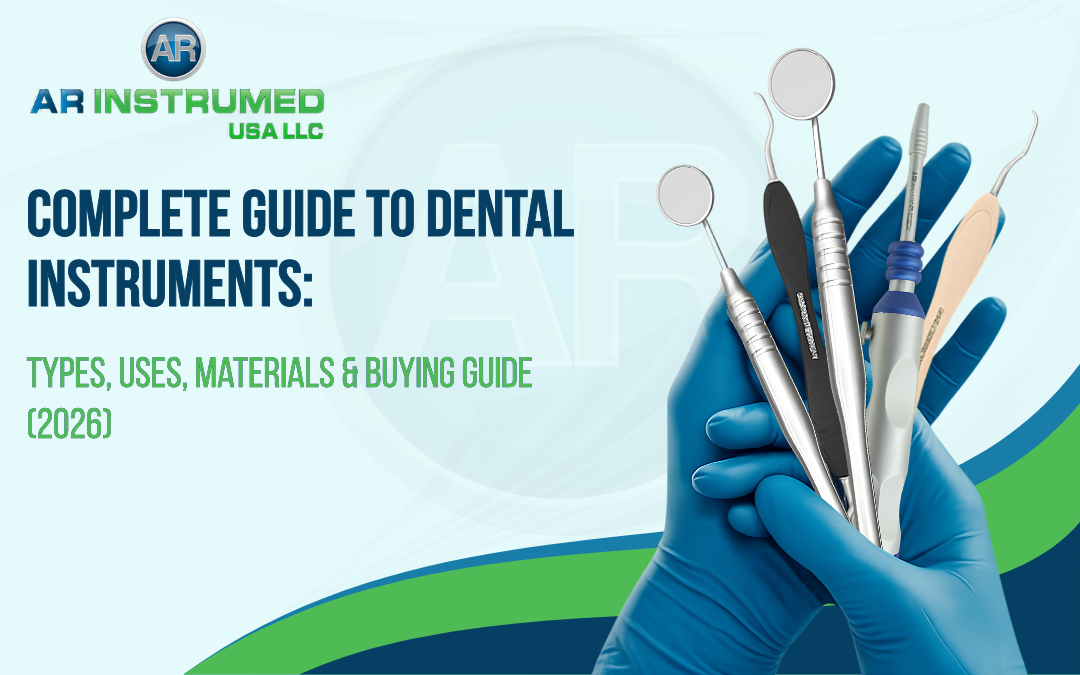
Dental instruments are the backbone of every successful dental practice. From routine checkups to complex oral surgery, the right dental tools determine how precise, safe, and comfortable a procedure feels for both the dentist and the patient. Whether you run a small clinic or a large dental practice in the USA, understanding the different types of dental instruments, their uses, and the materials they are made from helps you make smarter purchasing decisions.
In this comprehensive guide, we cover everything dentists, clinic owners, and dental students need to know about professional dental instruments, including extraction tools, diagnostic instruments, surgical instruments, and guidelines on choosing a reliable dental instruments supplier.
Dental instruments are specialized hand tools and devices used by dentists, oral surgeons, hygienists, and orthodontists to examine, treat, and manage oral health conditions. Every dental tool, from a simple mouth mirror to a complex extraction forceps, is engineered for a specific clinical task.
Using the correct dental instrument set not only improves treatment accuracy but also reduces procedure time and patient discomfort, which is why professional dental instruments are considered a core investment for any dental practice.
Types of Dental Instruments: A Complete Breakdown
There are many types of dental instruments, and each category serves a distinct purpose in dentistry. Below is a detailed breakdown of the most commonly used dental hand instruments in clinics across the USA.
Quick Reference: Dental Instrument Categories & Clinical Uses
| Instrument Category | Key Tools Included | Primary Clinical Use |
|---|---|---|
| Diagnostic Instruments | Mouth Mirror, Dental Explorer, Periodontal Probe | Cavity detection, oral examination, and gum pocket depth measurement. |
| Extraction Instruments | Extraction Forceps, Dental Elevators (e.g., Cryer, Luxators) | Loosening and safely removing teeth from the alveolar bone. |
| Periodontal Instruments | Dental Scalers, Sickle Curettes (e.g., Gracey) | Plaque, tartar, and calculus removal above and below the gumline. |
| Surgical Instruments | Scalpels, Needle Holders, Bone Chisels, Tissue Forceps | Oral surgery, incisions, flap management, suturing, and implant placement. |
| Orthodontic Instruments | Distal End Cutters, Bird Beak Pliers, Bracket Tweezers | Placing, adjusting, bending, and removing braces and archwires. |
1. Dental Extraction Instruments
Dental extraction instruments include extraction forceps and dental elevators, which are used to loosen and remove teeth safely. These tooth extraction instruments are designed with different jaw shapes to match upper, lower, anterior, and molar teeth.
- Key Tools: Standard anatomical forceps, Cryer elevators, luxators, and root tip picks.
- Clinical Benefit: A well-designed set of extraction dental tools reduces trauma to surrounding bone and tissue during oral surgery.
2. Dental Diagnostic Instruments
Dental diagnostic instruments are used during routine checkups to examine teeth, gums, and soft tissue.
- Key Tools: The classic mouth mirror (front surface for distortion-free viewing), dental explorer (for detecting enamel decay), and a calibrated periodontal probe.
- Clinical Benefit: A complete dental examination kit allows dentists to detect cavities, gum disease, and other oral health issues early, before they require more invasive treatment.
3. Dental Surgical Instruments
Dental surgical instruments cover a broad range of tools used in oral surgery and implant surgery. Since these tools are used in invasive procedures where accuracy directly affects patient outcomes, they must meet strict precision and durability standards.
- Key Tools: Surgical scalpels, Castroviejo needle holders, tissue forceps, bone files, and chisels.
4. Periodontal Instruments
Periodontal instruments are engineered specifically to remove plaque, tartar, and calculus from teeth and below the gumline.
- Key Tools: Sickle scalers for supragingival scaling and Gracey curettes for site-specific subgingival root planing.
- Clinical Benefit: These periodontal hand instruments play a key role in periodontal surgery and in preventing gum disease from progressing.
5. Orthodontic Instruments
Orthodontic instruments help dentists and orthodontists place, adjust, and remove braces, wires, and aligners.
- Key Tools: Distal end cutters, bird beak pliers, band pushers, and bracket removing pliers.
- Clinical Benefit: A reliable orthodontic instrument set ensures efficient chairside wire bending and adjustment.
Materials Used in Professional Dental Instruments
Most professional dental instruments are made from medical-grade stainless steel, which offers exceptional strength, corrosion resistance, and the ability to withstand repeated sterilization cycles. Stainless steel dental instruments are the industry standard because they remain autoclavable and reusable over long periods without losing precision.
Many modern dental tools also feature silicone handle dental instruments. These ergonomic, textured grips improve tactile sensitivity, significantly reduce hand fatigue during long procedures, and offer better control in wet clinical environments.
Pro Tip: When buying dental instruments, always look for CE certified and ISO certified products. These certifications confirm that the instruments meet strict international safety, manufacturing, and quality standards.
How to Choose the Right Dental Instruments: A Buying Guide
Choosing the right dental instruments for dentists depends on several factors beyond the upfront cost. Consider the following criteria before you buy dental instruments for your clinic:
- Material Quality: Opt for high-grade German or medical stainless steel dental instruments that are highly corrosion-resistant and completely autoclavable.
- Certifications: Confirm regulatory compliance via CE and ISO certifications to ensure patient safety.
- Ergonomics: Look for silicone or knurled handles that offer a non-slip grip and reduce the risk of Carpal Tunnel Syndrome during long clinical hours.
- Supplier Reliability: Work with an established dental instruments manufacturer or supplier with a proven track record in global shipping and quality control.
- Customization: Ask about OEM and private label dental instruments if you need custom-branded tools for a multi-location dental practice or distribution network.
Whether you need a single dental instrument kit or bulk dental instruments for a multi-chair clinic, working with a trusted dental instruments supplier ensures consistent quality across every order.
Why USA Dental Clinics Trust AR Instruments
If you are searching for a dependable dental instruments manufacturer USA dentists can rely on, AR Instruments (arinstrumed.com) offers a wide range of premium dental instruments built for extraction, diagnostics, oral surgery, periodontology, and orthodontics.
AR Instruments supplies premium stainless steel dental instruments and silicone handle dental instruments to clinics, distributors, and dental practices across the United States. They offer extensive support for:
- Wholesale dental instruments
- OEM manufacturing
- Custom private label orders
For dental practices looking for a long-term dental instrument distributor, AR Instruments combines precision manufacturing with dependable USA-wide supply.
Dental Instrument Maintenance and Sterilization
Proper dental instrument sterilization protects both patients and clinical staff from cross-contamination. Reusable dental instruments should be processed using a strict sterilization workflow:
- Pre-Cleaning: Rinse and clean instruments immediately after use using ultrasonic cleaners to remove debris.
- Inspection: Check instruments for any structural damage, rust, or blunt cutting edges.
- Autoclaving: Sterilize in an autoclave following precise manufacturer guidelines regarding temperature and pressure.
Routine maintenance, including lubricating hinges and joints, extends the working life of dental hand instruments and keeps every dental instrument set performing at a professional standard.
Conclusion
Investing in the right dental instruments directly impacts the quality of care a dental practice can provide. From diagnostic tools to surgical and orthodontic instruments, choosing stainless steel, certified, and ergonomically designed dental tools helps clinics across the USA work faster and treat patients more comfortably.
Visit arinstrumed.com to explore a full range of high-precision dental instruments built for modern dental practices.
Frequently Asked Questions
What are dental instruments used for?
Dental instruments are specialized tools used to examine, treat, restore, and manage oral health conditions, including diagnostic checkups, tooth extractions, oral surgery, periodontal scaling, and orthodontic adjustments.
What are the main types of dental instruments?
The main categories include diagnostic instruments (mirrors, probes), extraction instruments (forceps, elevators), surgical instruments (scalpels, needle holders), periodontal instruments (scalers, curettes), and orthodontic instruments (pliers, cutters).
What material are professional dental instruments made from?
Most professional dental instruments are manufactured from medical-grade stainless steel due to its durability, tensile strength, and resistance to repeated autoclave sterilization. Many also feature ergonomic silicone handles for better grip.
How do I choose a reliable dental instruments supplier?
Look for a supplier that provides CE and ISO-certified instruments, offers transparent material guarantees (like surgical stainless steel), handles bulk or wholesale orders, and supports OEM/private label customization.
Are dental instruments reusable?
Yes, the majority of stainless steel dental hand instruments are completely reusable, provided they undergo proper ultrasonic cleaning, inspection, and autoclave sterilization after every patient use.