


Buy Crown Remover Dental Instruments: What Dentists Should Look For

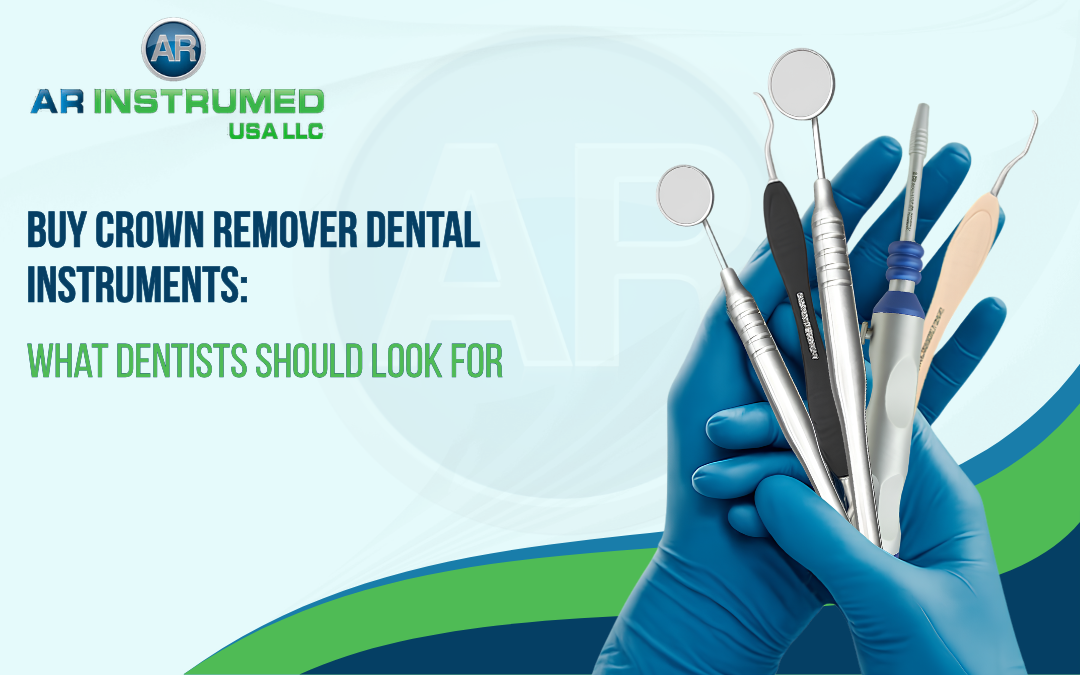
Choosing the right crown remover affects chair time, patient comfort, and the condition of the restoration you’re trying to save. Whether you’re a solo practitioner replacing a worn-out pair of pliers or a clinic manager sourcing instruments for several operatories, buying crown remover dental instruments is a decision worth making carefully. This guide walks through what to look for, how the main instrument types differ, and how to buy with confidence whether you’re purchasing one instrument or outfitting an entire practice.
What Are Crown Remover Dental Instruments?
Crown remover instruments are dental hand tools designed to break the cement seal between a crown, bridge, or temporary restoration and the underlying tooth structure, allowing the restoration to be lifted off cleanly. They range from simple hand-operated pliers and forceps to spring-loaded automatic devices, and they’re used routinely in restorative dentistry, prosthodontics, and crown-and-bridge procedures.
The right instrument reduces the risk of damaging the restoration, minimizes patient discomfort, and helps the procedure move efficiently which matters whether you’re removing a single temporary crown or working through a full day of restorative appointments.
What Should Dentists Look For When Buying Crown Remover Instruments?
What should dentists look for when buying crown remover instruments? Look at the instrument type relative to the procedure you perform most often, how it handles in your hand, the grip and control it offers, and whether it’s built for repeated professional use. A crown remover that suits a busy clinic may differ from one suited to occasional use in a smaller practice.
A few factors are worth weighing before you buy:
- Instrument type and mechanism — manual pliers/forceps versus a spring-powered automatic remover
- Intended application — anterior versus posterior teeth, temporary versus more established restorations
- Handling and control — grip comfort, balance, and how predictable the force feels during use
- Design — jaw shape, angulation, and whether tips are interchangeable
- Build quality — instruments made for repeated clinical use and reprocessing
- Compatibility with your workflow — how the instrument fits into the specific procedures you perform
- Purchasing requirements — whether you need a single instrument, a few variations, or a complete set
Buyers researching dental instruments for crown removal are usually trying to match one or more of these factors to their actual caseload, rather than simply picking the first option they find.
Types of Crown Remover Instruments to Consider
Several instrument styles show up under the “crown remover” category, and each is suited to slightly different situations.
- Crown remover pliers — the most common manual option, used to grip and lift crowns with direct hand control.
- Angled crown remover pliers — designed for improved access to specific surfaces or areas where a straight instrument is harder to position.
- Crown remover pliers for incisors — sized and shaped for anterior teeth, where access and visibility differ from posterior sites.
- Crown remover forceps — another hand-operated option built around a gripping-and-lifting action.
- Crown grippers (tungsten carbide) — designed to hold the crown securely during removal, which can help reduce slippage.
- Universal crown removers — built to work across a broader range of situations rather than one specific application, useful for practices that want fewer specialized instruments.
- Crown spreader pliers — used to help separate a crown from the tooth as part of the removal process.
- Automatic crown removers — spring-mechanism instruments that deliver a controlled impulse to the margin rather than relying purely on manual leverage.
- Instruments with interchangeable tips — allow one handle to be adapted to different crown types or access points without buying a separate instrument for each.
- Complete crown remover sets — bundle several of the above into one kit.
Dentists comparing crown remover instruments often start by identifying which one or two of these categories match the procedures they perform most, then decide whether a single instrument or a broader set makes more sense.
Crown Remover Pliers vs. Automatic Crown Removers
Pliers and automatic crown removers are the two instrument types buyers compare most often. Both remove crowns effectively, but they rely on different mechanisms and suit somewhat different preferences.
| Consideration | Crown Remover Pliers | Automatic Crown Remover |
|---|---|---|
| Mechanism | Manual grip-and-lift action | Spring-powered impulse mechanism |
| Control | Direct, hands-on feedback from the clinician | Mechanism-driven, less manual force required |
| Typical use | General crown and bridge removal | Situations where a controlled, repeatable impulse is preferred |
| Learning curve | Familiar to most clinicians immediately | May require some adjustment to technique |
| Instrument range | Available in various angulations and jaw designs | Often supplied with interchangeable tips |
Neither option is universally “better” the right choice depends on the clinician’s technique, the type of restoration being removed, and personal preference built up over time in practice.
Should You Buy Individual Crown Removers or a Complete Set?
Should I buy an individual crown remover or a complete set? It depends on how varied your caseload is. A single, well-chosen instrument may cover most day-to-day needs for a clinician with a fairly consistent type of case. A complete set makes more sense when you regularly encounter different crown types, tooth positions, or access challenges and want the right tool available without interruption.
Individual instruments make sense when:
- You already know which instrument type works best for your technique
- Your caseload is fairly consistent
- You’re replacing or adding to instruments you already use
A crown remover instrument set tends to make more sense when:
- You want flexibility across anterior, posterior, and varied access situations
- You’re outfitting a new operatory or expanding an existing one
- You prefer having backup instruments available without a separate order each time
Choosing Crown Remover Instruments for a Dental Clinic or B2B Purchase
Clinics, dental laboratories, distributors, and procurement teams are usually buying with a different set of priorities than an individual dentist purchasing one instrument. Consistency, scale, and long-term reliability of supply matter more.
When sourcing crown removal instruments for a clinic or as part of a larger purchase, it's worth considering:
- Consistency across units — instruments that perform predictably across multiple operatories or providers
- Range availability — access to multiple crown remover types from a single dental instruments supplier, so staff aren't working with mismatched tools
- Reordering practicality — a supplier that can support recurring or larger purchasing needs, not just single units
- Fit with existing instrument sets — compatibility with prosthetic and restorative kits already in use
Dental dealers, importers, and distributors evaluating a wholesale dental instruments source typically look for the same fundamentals — a supplier that can be reached directly for larger or recurring orders, and a product range broad enough to cover crown removal alongside related prosthetic instrumentation.
Why Choose AR Instrumed for Dental Instruments?
AR Instrumed USA offers professional dental instruments, including instruments used in crown and bridge procedures, prosthetic dentistry, and general restorative work. The product range is built for dentists, prosthodontists, dental clinics, laboratories, and professional buyers who need reliable instrumentation for everyday clinical use.
Whether you're purchasing a single crown remover for your own practice or sourcing instruments as part of a larger clinic, laboratory, or distribution requirement, AR Instrumed's range of crown remover dental instruments is available to explore directly, with the option to reach out for product questions or professional purchasing needs.
Frequently Asked Questions
What should dentists look for when buying crown remover instruments?
Dentists should consider the instrument type, its intended application (anterior vs. posterior, temporary vs. established restorations), handling and grip, jaw design, and whether the instrument suits their typical procedures. Matching the instrument to your actual caseload matters more than choosing based on price alone.
What is the difference between crown remover pliers and automatic crown removers?
Crown remover pliers use a manual grip-and-lift action controlled entirely by the clinician’s hand, while automatic crown removers use a spring-powered mechanism to deliver a controlled impulse to the crown margin. Both are effective; the choice usually comes down to technique and personal preference.
Are crown remover forceps suitable for all crown removal procedures?
Not necessarily. Forceps and pliers vary by angulation, jaw design, and intended tooth position, so an instrument suited to posterior teeth may not be the best choice for anterior work. Reviewing the specific design is more useful than assuming one instrument covers every situation.
Should a dental clinic buy individual crown removers or a complete set?
Clinics with varied caseloads, multiple providers, or several operatories often benefit from a complete crown remover set, since it provides flexibility across different crown types and access situations. A single practitioner with a consistent caseload may only need one or two well-chosen instruments.
Where can dentists buy professional crown remover dental instruments?
Dentists and dental organizations can browse professional crown remover and prosthetic instruments through AR Instrumed, which offers a range of dental instruments suited to individual practitioners as well as clinics, laboratories, and B2B buyers.
Ready to Choose the Right Crown Remover?
Selecting the right crown remover comes down to matching the instrument to your procedures, your technique, and how your practice or organization operates day to day. Browse AR Instrumed's range of crown remover instruments and explore its prosthetic dental instruments to compare options, or get in touch directly if you have questions about a specific instrument, need guidance on individual versus set purchasing, or are sourcing instruments for a clinic, laboratory, or larger professional order. AR Instrumed is available to support both individual dentists and B2B buyers with their dental instrument needs.