


Essential Dental Extraction Instruments Every Dentist Should Know

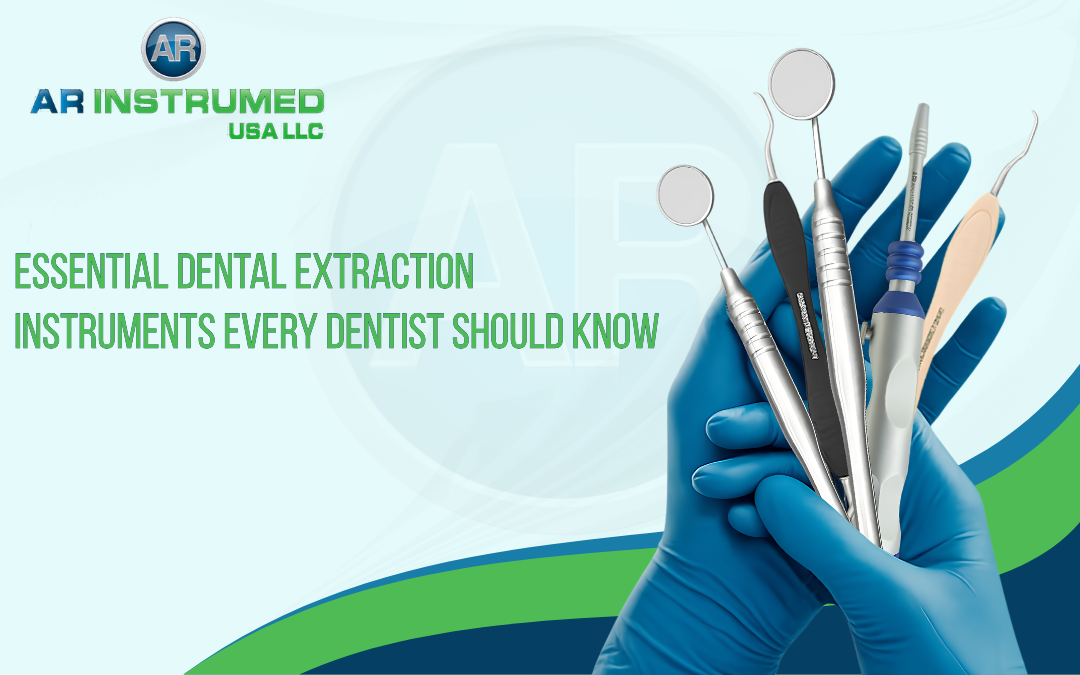
Choosing the right dental extraction instruments affects control, efficiency and comfort for the clinician. A well-chosen selection also reduces the need to improvise mid-procedure. Whether you are an individual dentist building your own set or a clinic stocking several surgeries, knowing what each instrument does is the first step towards buying wisely.This guide covers the main categories of dental extraction instruments, how to choose between them, and what professional and bulk buyers should consider before ordering.
What Are Dental Extraction Instruments?
Dental extraction instruments are specialised dental surgical instruments used to loosen, mobilise and remove teeth or tooth roots. They typically include extraction forceps, root elevators, luxators and periotomes, often supplied individually or as dental extraction instrument sets. Each type has a different working end and a different role, so the right choice depends on the tooth, the clinical situation and the practitioner’s training and preference.
Essential Dental Extraction Instruments Every Dentist Should Know
1. Dental Extraction Forceps
What they are: Hand instruments with two working beaks and handles, designed to grip a tooth or root once it has been prepared.General purpose: To hold the tooth securely so it can be removed under the clinician’s control.Selection considerations: Forceps are made in many patterns, shaped for different tooth groups, for upper or lower arches, and for roots as opposed to crowns. Beak shape, size and handle design all matter, so it is sensible to choose patterns that match the extractions you carry out regularly. Not every pattern suits every tooth.Who needs them: Practically every general dentist, dental surgeon, clinic and dental school will need a range of forceps.
2. Dental Root Elevators
What they are: Hand instruments with a handle and a shaped, tapered working end, available in straight and angled designs and in several tip widths.General purpose: Dental root elevators are used to loosen and mobilise teeth or roots before or alongside forceps use. Dental surgical elevators are also widely used when working with retained roots.Selection considerations: Look at tip width and profile, shank angle and handle comfort. A small selection of sizes usually offers more flexibility than a single design.Who needs them: General dentists, oral surgery practitioners and training institutions that handle a range of extraction cases.
3. Dental Luxators
What they are: Slim, finely bladed instruments with a sharper, thinner working end than a conventional elevator.General purpose: Luxators are designed to help separate the periodontal ligament fibres around a tooth, supporting a more controlled approach to luxation.Selection considerations: Blade thickness, edge quality and handle grip are key. Because of the delicate working end, quality of manufacture and careful handling are important, and they should be used within the clinician’s training and clinical judgement.Who needs them: Dentists and surgeons who want finer instruments in their extraction kit.
4. Dental Periotomes
What they are: Thin, blade-like instruments, often with a slightly angled working end.General purpose: Dental periotomes are used to sever and separate periodontal ligament fibres around the tooth, helping to prepare it for removal.Selection considerations: Look for a slim, well-finished working end, comfortable handle and compatibility with your sterilisation routine. Some practitioners prefer periotomes to luxators for certain situations, so personal preference plays a part.Who needs them: Practitioners seeking additional options for periodontal ligament separation, and practices equipping multiple surgeries.
5. Dental Extraction Instrument Sets
What they are: Pre-selected groupings of extraction instruments, usually supplied together in a cassette or tray.General purpose: Sets help keep the instruments needed for common extraction procedures organised and ready, which suits busy clinics and structured reprocessing workflows.Selection considerations: Check exactly which instruments are included, whether the contents match your clinical needs, and whether the set is compatible with your cassettes and sterilisation process. A set is only useful if its contents suit the way you work.Who needs them: Newly qualified dentists, new or expanding practices, hospitals and dental schools that want consistent kits across several users or surgeries.You can explore dental extraction instruments to compare forceps, elevators, luxators, periotomes and related items in one place.
How to Choose the Right Dental Extraction Instruments
A few practical checks will help you buy with confidence:
- Design and intended use: Match the instrument pattern to the procedures you carry out most often, rather than buying everything available.
- Material and construction: Look for solid, well-finished stainless steel instruments with consistent working ends and no rough edges.
- Working end and handle comfort: Grip, balance and weight affect control, particularly during longer clinical sessions.
- Reprocessing and sterilisation compatibility: Confirm the instruments suit your cleaning, autoclaving and cassette workflow, and follow the manufacturer’s instructions for use.
- Product range and availability: A supplier with a broad range makes it easier to add or replace items over time.
- Supplier reliability and product information: Clear product descriptions and responsive communication make purchasing simpler.
- Individual or bulk purchasing: A single dentist may need a handful of instruments, while a multi-surgery clinic needs consistency and quantity.
Buying Dental Extraction Instruments for Clinics, Hospitals and Distributors
Professional purchasing is different from buying for one practitioner. Clinics, hospitals, dental schools, dealers and distributors usually need to think about:
- Product range: Enough variety of forceps patterns, elevators and other instruments to serve different clinicians or students.
- Purchasing quantities: Whether pricing and order sizes suit your volumes, including wholesale and repeat orders.
- Consistent supply: Reliable access to the same instruments over time, so kits stay standardised.
- Supplier communication: A supplier who responds clearly to enquiries about specifications, quantities and requirements.
If you are sourcing dental instruments for clinics, or looking for a dental instrument supplier in the UK for resale, it helps to share your product list and expected quantities at the outset. Dental practices, hospitals, dental schools, dealers, distributors and importers are welcome to contact AR Instrumed UK to discuss their requirements.
Why Explore AR Instrumed UK?
AR Instrumed UK supplies dental instruments to individual dentists and dental professionals, as well as to practices, clinics and business buyers. If you are researching extraction instruments, the website gives you a straightforward way to browse the range by category and compare the options discussed in this guide.
There is also a current 30% OFF all dental instruments offer on the website, which may be worth considering whether you are replacing a few items or planning a larger order. Visit the site to see the current details.
Explore Dental Instruments →Frequently Asked Questions
What are the main dental extraction instruments?
The main dental extraction instruments are extraction forceps, root elevators, luxators and periotomes. Many practitioners also use complete extraction instrument sets to keep common items together.
Which instruments are commonly used for tooth extraction?
Periotomes or luxators are often used to separate periodontal ligament fibres, elevators to loosen the tooth or root, and forceps to grip and remove it. The exact selection depends on the tooth, the case and the clinician’s training.
What is the difference between dental elevators and luxators?
Elevators generally have a sturdier working end and are used to loosen and mobilise teeth or roots. Luxators have a thinner, finer blade designed to help separate the periodontal ligament. Their purposes overlap, but their designs and handling differ.
What are dental periotomes used for?
Periotomes are thin, blade-like instruments used to sever and separate the periodontal ligament fibres around a tooth, which helps prepare it for removal.
How should dentists choose dental extraction instruments?
Start with the procedures you carry out most often, then compare design, build quality, handle comfort, sterilisation compatibility and range. Choose a supplier with clear product information and a suitable range for your needs.
Where can dental professionals buy extraction instruments in the UK?
Dental professionals can buy extraction instruments from specialist dental instrument suppliers, including AR Instrumed UK, where the extraction range can be browsed online.
Conclusion
The right combination of forceps, root elevators, luxators and periotomes helps you work with greater control and keeps your surgery organised. Matching instruments to your clinical needs, checking build quality and thinking about reprocessing will always matter more than buying the biggest set.
Individual dentists can explore AR Instrumed's dental extraction instrument range and take advantage of the current 30% OFF offer.
Clinics, hospitals, dental schools, dealers and distributors are invited to contact AR Instrumed UK with their requirements and discuss wholesale and bulk purchasing.
Enquire About Wholesale & Bulk Orders →